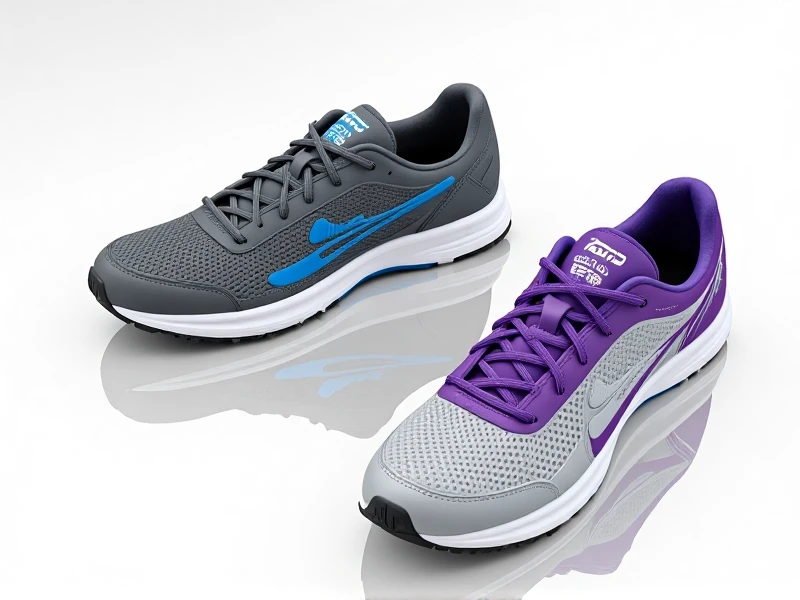
The Perfect Fit: Finding the Ideal Running Shoes for Active Women
For women dedicated to their runs – whether logging miles on the pavement, exploring scenic trails, or powering through a gym session – finding the right pair of women's running shoes isn't just about style; it's foundational for performance, comfort, and injury prevention. The sheer variety can be overwhelming. How do you cut through the noise and find your perfect match?
Why Specific Women's Running Shoes Matter It starts with biomechanics. Women generally have a different body structure compared to men – often narrower heels in proportion to the forefoot, a different pelvic alignment affecting gait, and sometimes differing weight distribution. The best women's running shoes are engineered with these factors in mind. They typically feature:
- Anatomical Fit: Designs cater to a narrower heel and wider forefoot, reducing slippage and hot spots.
- Softer Midsole Cushioning: Often accounting for lower average body weight, providing the right amount of impact absorption without feeling overly stiff.
- Targeted Support: Addressing common pronation patterns more prevalent in women's biomechanics to enhance stability during the stride cycle.
Key Factors for Your Choice
- Terrain: Are you mostly on roads, treadmills, tracks, or tackling trails? Road shoes prioritize cushioning and durability for hard surfaces. Trail women's running shoes offer aggressive tread and enhanced foot protection for uneven terrain. Cross-trainers provide versatile support for gym workouts.
- Your Running Style & Foot Mechanics (Gait Analysis):
- Cushioned/Neutral: Ideal for runners with efficient biomechanics (neutral pronation) who primarily need shock absorption. Look for plush midsoles.
- Stability: Designed for mild to moderate overpronation (foot rolling inward excessively). Features like medial posts or guide rails help control motion.
- Motion Control: For severe overpronators, offering maximum control and support, often in a firmer build.
- Tip: Getting a professional gait analysis at a reputable running store is invaluable, especially when choosing women's running shoes.
- Distance & Purpose: Daily trainers offer balanced cushioning. Speedwork or race-day shoes are lighter and more responsive. Marathon trainers might prioritize maximum cushioning over long distances.
- Comfort is King (& Queen!): Regardless of specs, a shoe must feel comfortable immediately. There shouldn't be a long "break-in" period. Ensure about a thumbnail's width of space at the front of your longest toe, and your heel should feel snug without slipping.
Maximizing Your Shoe's Lifespan
- Rotate: Having two pairs of women's running shoes and alternating runs allows each pair’s midsole foam to fully decompress, extending their life.
- Avoid the Washer/Dryer: Hand wash gently if necessary. Air drying is best and preserves materials.
- Know When to Retire: Most experts recommend replacing running shoes every 300-500 miles. Signs include worn tread, loss of cushioning, or persistent aches unrelated to training changes.
Investing in Your Stride Ultimately, the best women's running shoes empower you. They protect your feet and joints, enhance your efficiency, and make the miles feel better. By understanding your needs and foot mechanics, you can confidently invest in a pair (or two!) that supports your active lifestyle, mile after enjoyable mile. Don't settle – your perfect running partner is out there. Visit our store or explore our online guides to find the ideal fit for your next adventure! Shop our latest collection designed with the female runner in mind.