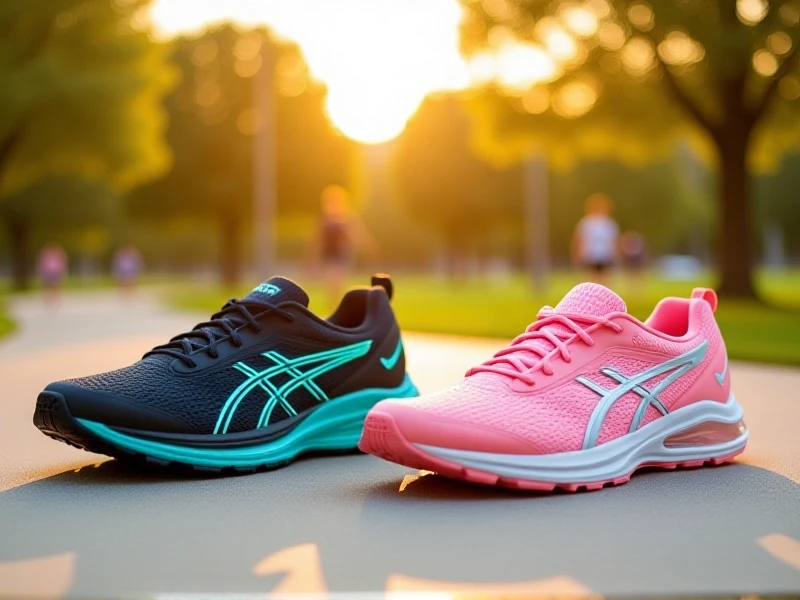
Find Your Perfect Pair: The Ultimate Guide to Men's Running Shoes
Finding the right pair of men's running shoes is the cornerstone of a comfortable, injury-free, and enjoyable running experience. It's not just about looks; proper footwear directly impacts your performance and long-term joint health. With countless options on the market, navigating the choices can feel overwhelming. This guide simplifies the process, helping you select the ideal men's running shoes for your unique feet and goals.
The journey begins with understanding your foot type and gait cycle. Do you have a neutral stride, overpronate (your foot rolls inward excessively), or supinate (roll outward)? Specialty running stores often offer gait analysis using treadmills and video to diagnose this crucial aspect. This assessment, along with your arch height (low, medium, or high), determines whether you need neutral, stability, or motion control shoes.
Key factors to consider when choosing men's running shoes:
- Cushioning Level: Ranges from minimal to maximum cushion. Consider your preferred feel (plush vs. responsive) and the distances you typically run. Max cushion offers impact protection for longer runs but often trades responsiveness.
- Stability Features: Essential for overpronators. Look for elements like medial posts, dual-density midsoles, or guide rails that gently correct inward roll without restricting movement. Neutral runners should avoid these features to ensure natural motion.
- Drop (Heel-to-Toe Offset): Measured in millimeters, this is the difference between cushion height at the heel and the forefoot. Lower drops (0-6mm) promote a more natural, midfoot strike but demand stronger calf flexibility. Higher drops (8-12mm ) are common and often easier for heel strikers transitioning to running.
- Fit & Size: Always prioritize fit. Feet swell during runs, so try shoes on in the afternoon. There should be roughly a thumbnail's width of space between your longest toe and the end of the shoe. Ensure a snug midfoot and heel lock to prevent sliding.
- Terrain: Match the shoe to the surface. Road running shoes prioritize cushioning and lightweight construction. Trail running shoes add aggressive lugs for grip, rock plates for protection, and enhanced durability for uneven terrain.
- Weight: Lighter trainers offer speed and agility, ideal for racing or faster training sessions. Heavier shoes often provide more cushioning and durability for daily miles.
Don't underestimate the importance of replacing your men's running shoes regularly. Most lose significant cushioning and support between 300-500 miles, increasing injury risk. Pay attention to worn tread and how your body feels after runs.
Investing time in finding the perfect men's running shoes tailored to your needs is an investment in your running future. Visit a reputable running specialty store for expert fitting advice if possible. The right shoes will feel comfortable from the first step, enhance your stride, and support you mile after mile. Lace up your perfectly fitted pair and confidently chase your next running goal.