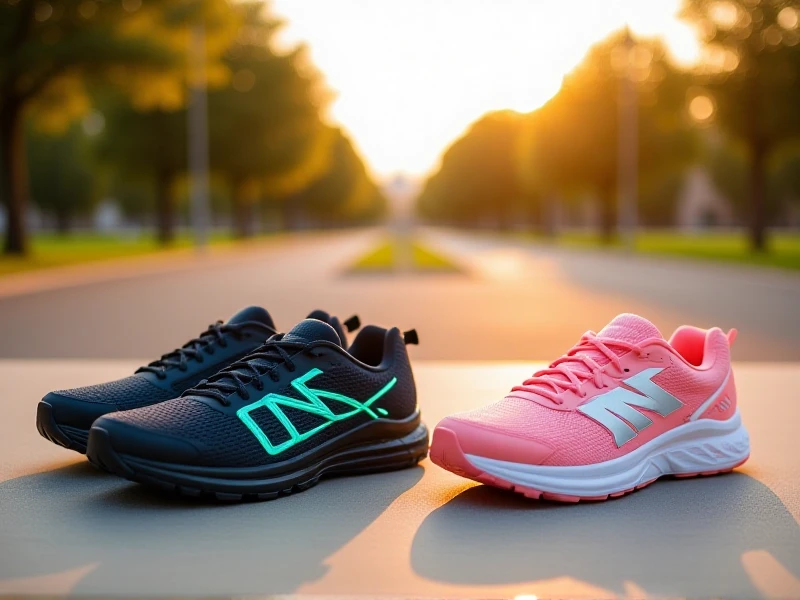
Find Your Perfect Fit: Your Essential Guide to Women's Running Shoes
Finding the right pair of women's running shoes isn't just about looking good; it's crucial for comfort, preventing injury, and unlocking your best performance. With so many options, understanding what makes a great women's running shoe is key.
Comfort Meets Performance
Modern women's running shoes are engineered with female biomechanics in mind. They typically feature narrower heel collars and more accommodating forefoot shapes designed for a woman's foot structure. Prioritize cushioning – ample shock absorption protects your joints mile after mile. Look for responsive midsoles that return energy with each stride, making your runs feel less taxing.
Support for Your Stride
Understanding your foot type is fundamental. Do you overpronate (foot rolls inward excessively), underpronate/supinate (rolls outward), or have a neutral stride? Running stores often offer gait analysis to guide you. Stability shoes feature medial posts to counter overpronation, neutral shoes offer balanced cushioning for efficient strides without excessive correction, and motion control provides maximum support for severe overpronation. Choose the support level matching your gait for optimal alignment and reduced injury risk.
Match Your Running Terrain
Where you run matters as much as how. Opt for lightweight road running shoes with flexible soles and ample cushioning for paved paths and treadmills. For trails and uneven surfaces, trail running shoes offer aggressive lugs for superior traction, rock plates to shield your feet, and often enhanced durability and weather resistance.
The Foundation: Fit is Everything
Never underestimate the importance of a perfect fit. Your longest toe needs about a thumbnail's width of space (roughly a half-size up from your regular shoes) to prevent blisters and black toenails. Ensure a secure but not tight heel lock-down and adequate width across the ball of your foot. Test shoes in the evening when feet are slightly swollen. Wear your running socks and try both shoes, running briefly in-store or on a treadmill. Comfort should be immediate; don't rely on a lengthy "break-in" period.
Investing in Your Run
Replacing your women's running shoes every 300-500 miles is vital. Worn-out cushioning and outsoles lose their protective benefits, increasing injury risk. Pay attention to signs like persistent aches, visible sole wear, or loss of bounce.
The search for your ideal women's running shoes is an investment in your health and enjoyment. Prioritize fit, consider your stride and terrain, and don't hesitate to seek expert advice. Finding "the one" transforms every run into a more comfortable, powerful, and joyful experience. Are you ready?